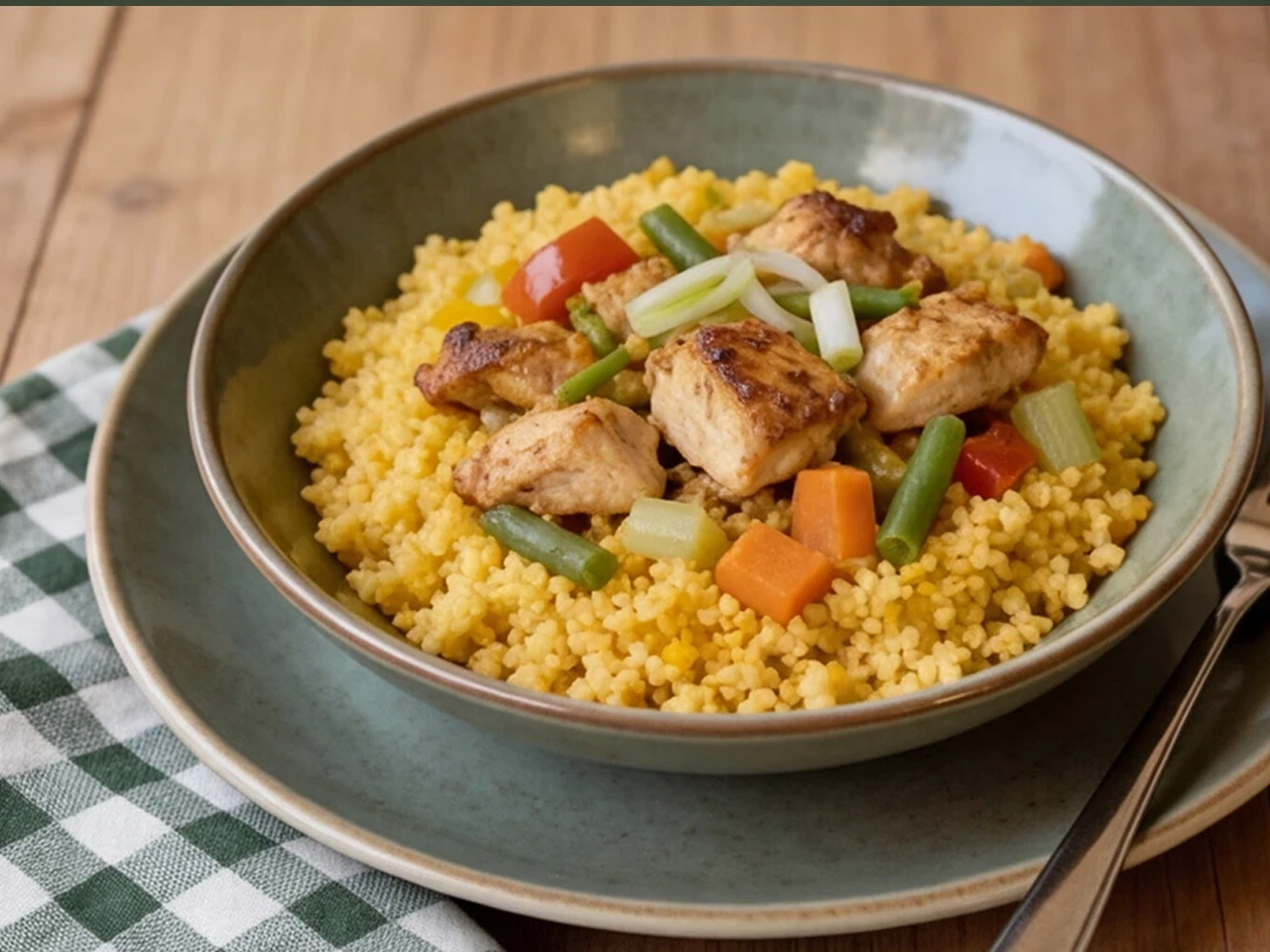
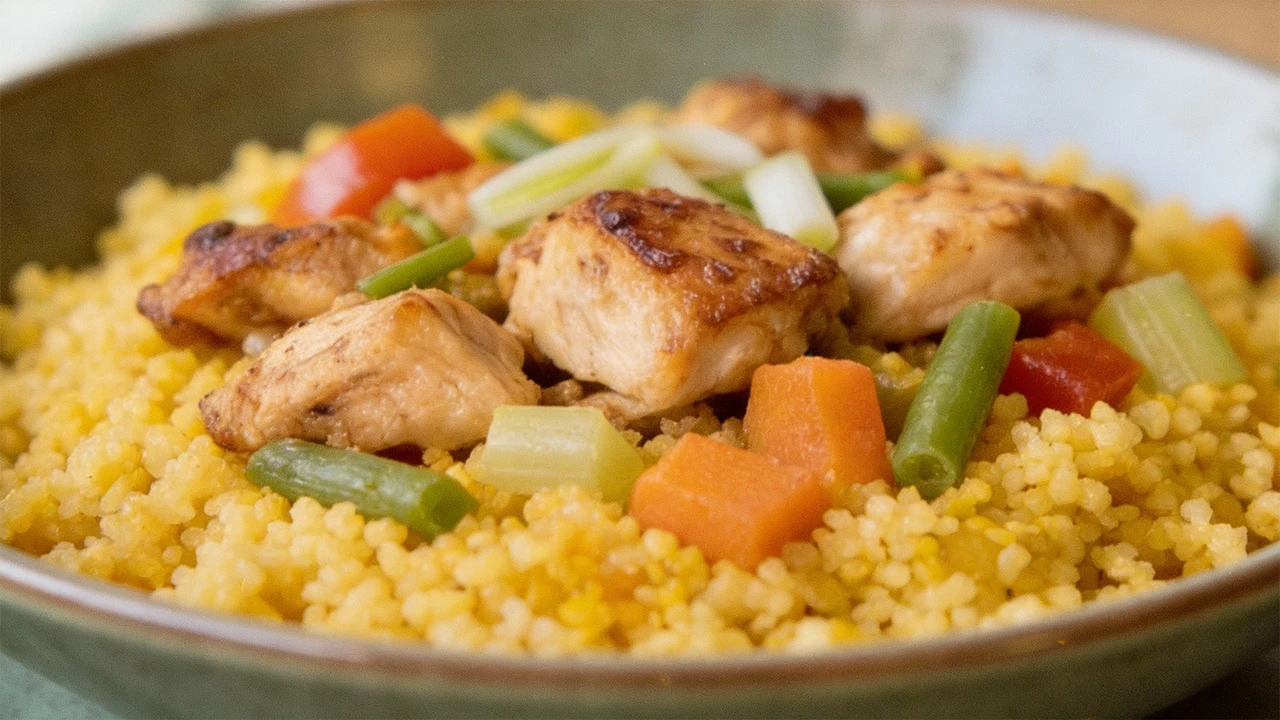
Il cous cous con pollo e verdure è molto più di una semplice ricetta: è un viaggio culinario che unisce la leggerezza delle carni bianche ai colori vivaci dell’orto, il tutto avvolto dal profumo inconfondibile dello zafferano.
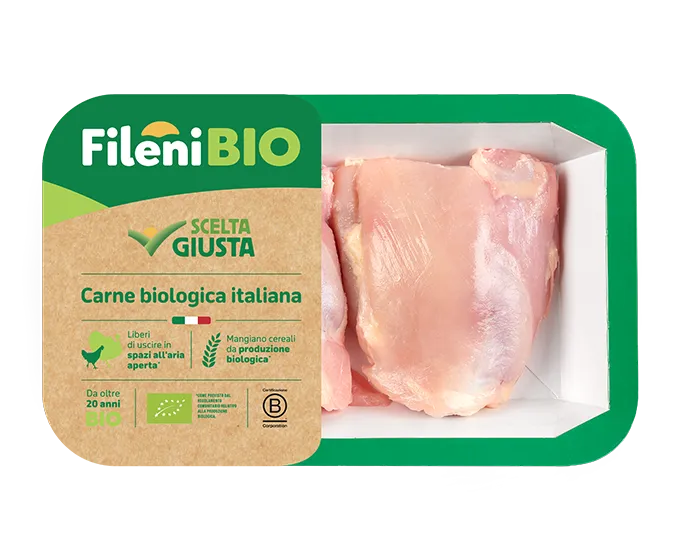
Perfetto come piatto unico, equilibrato e nutriente, il cous cous (o cuscus) è ideale sia per un pranzo in famiglia che per una cena conviviale tra amici. In questa versione firmata Fileni, utilizziamo le sovracosce di pollo biologiche, che garantiscono un risultato succoso e tenero, sposandosi alla perfezione con la dolcezza delle carote e la croccantezza dei peperoni.
Scopriamo come preparare un cous cous di pollo perfetto, sgranato a regola d’arte e ricco di sapore, con un piccolo approfondimento sulle sue affascinanti origini.
Per realizzare questa ricetta colorata e saporita, avrai bisogno di ingredienti freschi e di qualità.
La preparazione è semplice, ma richiede attenzione nel taglio delle verdure e nella cottura del pollo per mantenerlo morbido.
Iniziare preparando la carne: disossare le sovracosce di pollo Fileni, togliere la pelle e tagliare la polpa a bocconcini regolari di circa 2-3 cm.
Pulire i cipollotti eliminando le radici e la parte verde più dura, quindi affettarli a rondelle sottili.
In un tegame capiente (o in una tajine), scaldare 2 cucchiai di olio extravergine d’oliva. Fare appassire dolcemente i cipollotti, poi unire i bocconcini di pollo. Regolare di sale e pepe e far rosolare a fiamma vivace finché la carne non sarà ben dorata su tutti i lati.
Mentre il pollo rosola, dedicarsi alle verdure. Lavare accuratamente peperone, carote, sedano e fagiolini.
Unire tutte le verdure nel tegame con il pollo e lasciare insaporire per un paio di minuti, mescolando delicatamente per amalgamare i sapori.
A questo punto, coprire il tutto con acqua calda (o brodo vegetale) fino a coprire a filo gli ingredienti. Sciogliere la bustina di zafferano in un mestolo di liquido caldo e aggiungerla al tegame: questo donerà al piatto il tipico colore giallo oro e un profumo avvolgente.
Portare a ebollizione, abbassare la fiamma, coprire con un coperchio e lasciar cuocere dolcemente per circa 15-20 minuti. Le verdure devono risultare tenere ma non sfatte, e il pollo ben cotto.
Mentre il condimento cuoce, prelevare circa 2 dl del brodo di cottura saporito dal tegame del pollo (filtrandolo se necessario). Portarlo a ebollizione in una pentola a parte o in una ciotola capiente resistente al calore.
Versare il cous cous a pioggia nel brodo bollente, mescolare velocemente, spegnere la fiamma e coprire ermeticamente con un coperchio o pellicola. Lasciare riposare per 5 minuti: in questo modo la semola si reidraterà assorbendo tutto il sapore.
Trascorso il tempo, aggiungere 2 cucchiai di olio crudo e sgranare il cous cous aiutandosi con una forchetta, finché i chicchi non saranno ben separati e soffici.
Al fine di evitare il rischio di scuocere il couscous, sarebbe preferibile optare per la reidratazione a freddo del couscous oppure per la cottura a vapore. Entrambe le metodologie consentono un controllo più accurato dell’assorbimento dei liquidi, permettendo di preservare la struttura granulare della semola e la qualità della consistenza finale.
Unire il condimento di pollo e verdure al cous cous sgranato. Mescolare bene per distribuire il condimento. Si può servire il piatto disponendo il cous cous a fontana con le verdure e la carne al centro, oppure tutto amalgamato. Servire ben caldo.
Prima di passare ai fornelli, vale la pena scoprire le radici di questo piatto millenario. Il cous cous è l’alimento base della cucina tradizionale del Nord Africa (Maghreb), in particolare di Marocco, Tunisia e Algeria. Nato dalla lavorazione della semola di grano duro, che viene “incocciata” (lavorata con acqua e farina fino a formare granelli) e poi cotta al vapore, è simbolo di convivialità e condivisione.
Dalle coste africane, il cous cous ha attraversato il Mediterraneo trovando una seconda casa in Italia, specialmente in Sicilia (famoso quello di San Vito Lo Capo e in generale della provincia trapanese), dove è stato riadattato con ingredienti locali. La nostra versione con pollo e verdure è un omaggio a questa tradizione: un piatto internazionale che parla il linguaggio della dieta mediterranea.
Commissione Europea. (2012). Regolamento (UE) n. 432/2012 della Commissione del 16 maggio 2012 relativo alla compilazione di un elenco di indicazioni sulla salute consentite sui prodotti alimentari, diverse da quelle facenti riferimento alla riduzione dei rischi di malattia e allo sviluppo e alla salute dei bambini. Gazzetta ufficiale dell’Unione europea, L 136. Recuperato da https://eur-lex.europa.eu
CREA. Tabelle di composizione degli alimenti, Aggiornamento 2019- Website a cura di L. Marletta e E. Camilli (AlimentiNUTrizione – Tabelle Composizione Alimenti)
CREA – Centro di ricerca Alimenti e Nutrizione. (2018). Linee guida per una sana alimentazione (Revisione 2018).
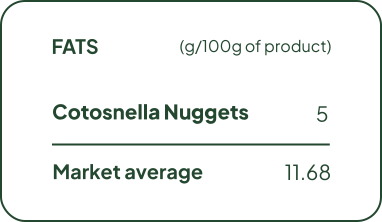
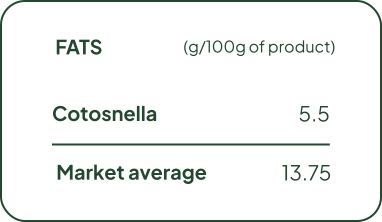
The average fat content is calculated based on the sum of products representing 70% of the market value sales of breaded snack products (Source: Nielsen, AT October 2024; Scope: Hypermarkets + Supermarkets + Self-service stores). The reference value for the market average was obtained by considering all products belonging to the breaded snacks market, which account for 70% of the total and include the following brands:
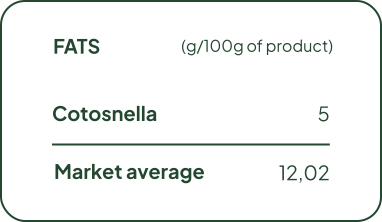
The average fat content is calculated based on the sum of products representing 70% of the market value sales of spinach cutlets (Source: Nielsen, AT October 2024; Scope: Hypermarkets + Supermarkets + Self-service stores). The reference value for the market average was obtained by considering all products belonging to the spinach cutlets market, which account for 70% of the total and include the following brands:
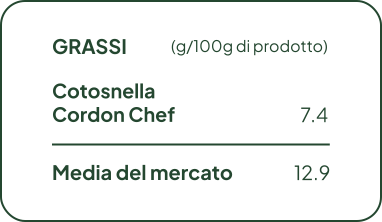
50% less fat compared to the average of the classic breaded cutlets market. The average fat content is calculated based on the sum of products representing 70% of the market value sales of classic breaded cutlets (Source: Nielsen, AT October 2024; Scope: Hypermarkets + Supermarkets + Self-service stores). The reference value for the market average was obtained by considering all products belonging to the classic breaded cutlets market, which account for 70% of the total and include the following brands:
In Cingoli and Castelplanio, in the Marche region, are located the Fileni plants - IFS, UNI EN ISO 9001:2015 and UNI EN ISO 14001:2015 certified - where product processing takes place. Every day, in compliance with legal standards, structures and machinery are inspected and sanitised to ensure they are always efficient. In addition, the processing of products from the organic supply chain takes place on days and at times strictly established to avoid any kind of contamination.
You can trust the quality of our organic products because we thoroughly check them before they leave the farm. We monitor and test every step of the organic supply chain. We even check the soil on which we grow our feed for traces of pesticides and other impermissible substances. We do this to ensure the best quality and because it is what we believe in.
Fileni's organic farms are surrounded by greenery. To prevent them from abruptly breaking up the natural landscape around them, we have surrounded the sheds with plants and trees, among which the animals are free to roam, choosing when to live outdoors and when to shelter from the sun or the weather inside the structures.
These are equipped with the latest technology, so that they can reduce dust and odours without affecting the everyday life of the neighbouring population. In many cases, they are also able to produce electricity in a clean and efficient manner thanks to the use of photovoltaic panels.
Wheat, maize, soya, field beans and protein peas are the raw materials that make up the organic feed produced in our feed mill in Jesi, in the province of Ancona. A mix of legumes and cereals, organically grown, form the basis of a healthy, balanced diet for all chickens and turkeys in our organic supply chain.
But our commitment to agriculture goes further, in the belief that every virtuous action pays off. This is why we are participating on an experimental basis - as co-founders - in the ARCA project (Agricoltura per la Rigenerazione Controllata dell'Ambiente - Agriculture for the Controlled Regeneration of the Environment), conceived by Bruno Garbini with Giovanni Fileni and Enrico Loccioni, which is concerned with implementing regenerative farming techniques to preserve cultivated land, maintaining its fertility and protecting it from hydrogeological instability.
For the embryo to develop properly, we make sure to cuddle the newly laid eggs. We keep them warm, in the hatchery, for 21 days, three of which in the hatching chamber, constantly monitoring temperature and humidity.
“Well begun is half done,” as the saying goes. The first step, common to all supply chains, is of fundamental importance. We let nature guide the animals’ instincts. We do not force anything; we simply ensure they are provided with the ideal environment for reproduction, maintaining constant levels of temperature, humidity, and hygiene.
I nostri bovini e suini nascono e vengono allevati biologicamente in Italia. Crescono liberi, seguendo il loro bioritmo naturale e un’alimentazione biologica con mangimi selezionati e formulati per offrire loro una dieta bilanciata, libera da OGM e sostanze chimiche non ammesse.
Ogni azione virtuosa ritorna. È il principio alla base della nostra visione circolare dell’intera filiera.
È per questo che partecipiamo al progetto ARCA (Agricoltura per la Rigenerazione Controllata dell’Ambiente), ideato da Bruno Garbini con Giovanni Fileni ed Enrico Loccioni, che si preoccupa di mettere in atto tecniche di agricoltura rigenerativa che consentono di preservare il terreno coltivato, mantenendone la fertilità e proteggendolo dal dissesto idrogeologico.
Operiamo ogni giorno per costruire filiere di eccellenza, diffondere buone pratiche sulla concimazione organica, la conservazione della biodiversità e per garantire al consumatore un prodotto sano e sostenibile.
The facilities dedicated to processing poultry products, located in Cingoli and Castelplanio (in the Marche region) and certified IFS, UNI EN ISO 9001:2015 and UNI EN ISO 14001:2015, are inspected daily according to a control plan to ensure compliance with legal standards.
Equipment and machinery undergo frequent cleaning and sanitization processes to guarantee maximum efficiency at all times.
No product from our conventional poultry supply chain leaves the company unless we are absolutely certain of its quality!
This assurance comes from the laboratory tests we regularly carry out at every stage of the supply chain: from the soil, to the finished feed, all the way to the nutritional value our products provide in your diet.
The level of quality we demand requires extreme precision, fostering the creation of high standards and driving the entire sector to continuously improve—for shared well-being.
Once laid, the eggs are kept in the hatchery for 21 days, including 3 days in the hatching chamber. In this phase as well, the balance between hygiene, temperature, and humidity is essential to ensure proper embryo development.
Fileni’s conventional farms are mainly located in Central Italy, in the regions of Marche, Veneto, Emilia-Romagna, and Puglia.
Chickens are reared on the ground in state-of-the-art facilities equipped with systems to reduce odors and dust, ensuring no disturbance to nearby communities. Many of our company-owned farms are also equipped with photovoltaic panels for electricity generation.
Feeding the animals in our conventional supply chain properly is the most important thing we can do for their health—and yours.
We ensure they follow a correct and balanced diet made up of cereals, legumes, minerals, and other nutrients. To achieve this, we work with veterinarians who define the variety and proportions, and we produce the feed directly in our own feed mills to ensure they receive only the very best.
Without the breeding sector, our conventional supply chain could not exist. Here, animals are able to reproduce following their natural instinct. For this reason, we devote the utmost attention to these environments, maintaining constant levels of temperature, humidity, and hygiene at all times.
Stay up to date with the latest news from Fileni.